
Choose the Best Food Packaging Materials for Your Needs

Choosing the right packaging for food products is essential. It protects the product, extends shelf life, and attracts customers. With many options available, it can be confusing to decide which packaging material suits your needs best. This post will guide you through sustainable food packaging options and help you make an informed choice.
Why Sustainable Food Packaging Options Matter
Sustainability is no longer just a trend. It is a responsibility. Using sustainable food packaging options helps reduce environmental impact. It also appeals to consumers who care about the planet. Sustainable packaging can be made from renewable, recyclable, or biodegradable materials.
For example, packaging made from plant-based plastics or recycled paper reduces waste. It also lowers carbon footprints compared to traditional plastics. Businesses that adopt sustainable packaging show commitment to eco-friendly practices. This can improve brand reputation and customer loyalty.
Sustainable packaging is not just good for the environment. It can also be cost-effective in the long run. Many sustainable materials are lightweight, reducing shipping costs. Some can be reused or recycled easily, cutting down on disposal expenses.

Types of Sustainable Food Packaging Options
There are several sustainable food packaging options to consider. Each has its benefits and best uses. Here are some popular choices:
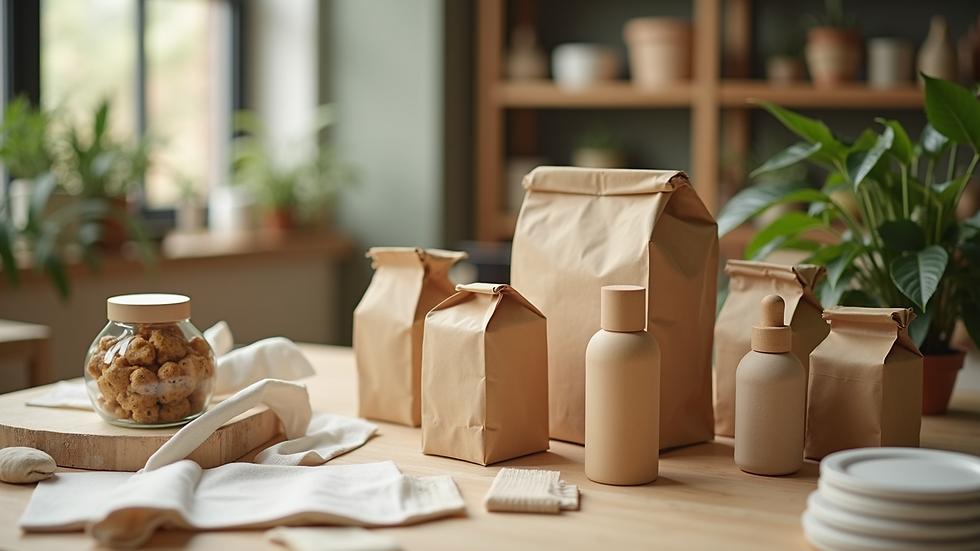
Paper and Cardboard: These are widely used for dry foods like snacks and cereals. They are recyclable and biodegradable. Coated paper can provide moisture resistance.
Bioplastics: Made from natural materials like corn starch or sugarcane. They break down faster than traditional plastics. Suitable for packaging fresh produce or bakery items.
Glass: Reusable and recyclable. Ideal for sauces, beverages, and preserves. Glass keeps food fresh without chemicals.
Metal: Aluminum and tin are recyclable and protect food from light and air. Common for canned foods and beverages.
Compostable Films: Made from materials like cellulose or PLA. These films can replace plastic wraps and bags.
Choosing the right sustainable packaging depends on the product type, shelf life, and storage conditions. Combining materials can also work well, such as paper with a thin bioplastic lining.
What Material Is Used for Food Packaging?
Food packaging materials vary widely depending on the product and its requirements. Common materials include plastics, paper, glass, and metals. Each has unique properties that affect food safety, preservation, and presentation.
Plastics: Widely used due to flexibility and durability. Types include PET, HDPE, and LDPE. However, traditional plastics pose environmental challenges.
Paper and Cardboard: Often used for dry foods and takeout containers. They are lightweight and easy to print on.
Glass: Provides excellent barrier properties. It is inert and does not react with food.
Metal: Offers strong protection and long shelf life. Aluminum foil is also used for wrapping.
For businesses looking for custom solutions, it is important to consider the product’s moisture content, oxygen sensitivity, and temperature needs. For example, ice cream packaging requires materials that can withstand freezing temperatures without cracking or leaking.
Using the right food packaging materials ensures product safety and customer satisfaction. It also helps comply with food safety regulations.

How to Choose the Best Packaging for Your Food Product
Selecting the best packaging involves several factors. Here are some steps to guide the decision:
Understand Your Product
Consider the type of food, shelf life, and storage conditions. Perishable items need airtight packaging. Dry goods may require moisture-resistant materials.
Consider Sustainability
Choose materials that reduce environmental impact. Look for recyclable, biodegradable, or compostable options.
Evaluate Cost and Availability
Balance quality with budget. Some sustainable materials may cost more upfront but save money over time.
Check Regulatory Compliance
Packaging must meet food safety standards. Ensure materials are food-grade and approved for use.
Think About Branding and Design
Packaging is a marketing tool. Choose materials that allow for attractive printing and customization.
Test Packaging Performance
Conduct trials to check durability, sealing, and protection during transport.
By following these steps, you can find packaging that protects your product, supports your brand, and meets customer expectations.
Benefits of Custom Food Packaging Solutions
Custom packaging offers many advantages. It allows businesses to tailor packaging to specific product needs. Custom sizes, shapes, and materials improve product fit and reduce waste.
Custom printing enhances brand visibility. High-quality graphics and logos make products stand out on shelves. This can increase sales and customer recognition.
Custom packaging can also improve functionality. Features like resealable zippers, easy-open tabs, or portion control help consumers use the product conveniently.
Working with a reliable packaging provider ensures access to expert advice and quality materials. They can help design packaging that meets both practical and marketing goals.
Choosing custom packaging solutions is a smart investment for businesses aiming to grow and maintain strong customer relationships.
Selecting the right packaging is crucial for protecting food products and supporting sustainability goals. By exploring sustainable food packaging options and understanding material properties, businesses can make informed choices. Custom packaging solutions further enhance product appeal and functionality. For high-quality, custom packaging needs, consider trusted providers who specialize in food packaging materials and printing services.
This approach helps ensure products reach customers safely while promoting environmental responsibility and brand success.

Comments